Source Conveyor Belt Garment Needle Detector for Clothing, Toy, and Drug Inspection
Find and compare 29 conveyor belt garment needle detector models from China. These automatic, computerized units feature digital displays and adjustable sensitivity for clothing, toy, and spinning applications. Review specifications like detecting width and power source to select the right equipment.
Key considerations
Products List


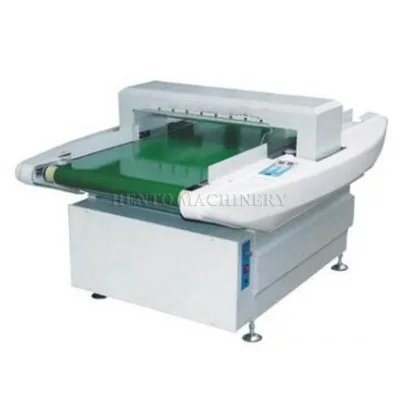


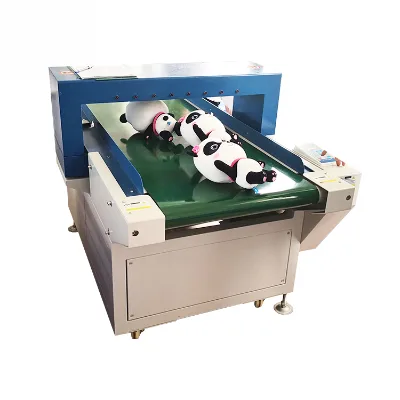
Comprehensive Sourcing Guide
Conveyor Belt Garment Needle Detector Sourcing Guide
Procuring a conveyor belt garment needle detector requires understanding that these systems are primarily designed for the clothing, toy, and spinning industries to ensure product safety. The observed market listings indicate that these machines often feature computerized control systems with digital displays, allowing operators to monitor detection sensitivity in real-time. Buyers should note that the equipment is frequently available in both new and used conditions, which significantly impacts the initial capital expenditure and long-term reliability expectations.
When evaluating potential units, it is critical to distinguish between different model specifications, such as the VFG600 or HD-W801, as tunnel dimensions and detection widths vary substantially. The observed data suggests a standard detecting width of 600mm with adjustable heights ranging from 100mm to 200mm, catering to various fabric thicknesses. Sourcing decisions must account for the fact that while some units offer stepless adjustment for sensitivity, others may have fixed parameters, necessitating a careful review of the specific technical sheet before finalizing a purchase order.
Product Scope and Observed Listing Signals
The product scope for these detectors encompasses a range of applications including clothing, toys, and drug manufacturing, where metal contamination poses a significant safety risk. Listings consistently highlight the "Needle Detector" classification, often integrated with knitting machine cut functions to inspect needles directly during the production process. Buyers should verify that the specific unit supports the required needle styles, as the market data indicates compatibility with all standard styles, ensuring broad applicability across different garment production lines.
Observations of the current market reveal that these machines are typically powered by AC220V or a wide range of AC110-230V, making them adaptable to various regional power standards. The physical footprint is substantial, with dimensions often reaching 1650mm in length, and weights varying between 100kg and 500kg depending on the model. Procurement teams must consider the logistics of installation, as the heavy nature of these units and the requirement for strong carton or wooden case packing can influence shipping costs and warehouse space allocation.
Technical Specifications to Verify
Technical verification must begin with the tunnel size and belt speed, as these factors directly influence throughput and detection accuracy. The observed specifications include a tunnel width of 60cm and a height of 12cm for certain models, while others offer adjustable heights up to 200mm. Buyers should confirm that the belt speed, often around 40 meters per minute, aligns with their production line velocity to prevent bottlenecks or missed detections due to excessive conveyor speed.
Sensitivity settings are another critical technical parameter, with observed capabilities detecting ferrous materials as small as 0.8mm iron balls. The detection ability is often listed as a range from 0.8mm to 1.5mm, requiring buyers to validate the actual performance against their specific quality control standards. Additionally, the alarm method, typically a buzzer, and the electronic load system must be tested to ensure they trigger reliably when metal is detected, preventing false positives or failures in a high-volume manufacturing environment.
Compliance and Safety Documentation
Compliance documentation is essential for international trade, with the observed listings frequently citing CE and ISO certifications as standard for these machines. Buyers must request valid certificates that correspond to the specific model number, as the presence of a certification mark does not guarantee that every unit in a batch meets the same rigorous safety standards. It is advisable to verify that the certification covers the electrical safety and electromagnetic compatibility requirements relevant to the destination country's regulations.
Safety features extend beyond certifications to include the machine's operational safeguards and data processing capabilities. The digital data processing systems observed in these units should provide clear logs of detection events, which are vital for traceability and quality audits. Procurement teams should ensure that the supplier provides a comprehensive user manual detailing emergency stop procedures and maintenance protocols, ensuring that the machine operates safely within the factory environment and meets local occupational health and safety laws.
Cost Drivers and Commercial Terms
Cost drivers for conveyor belt garment needle detectors include the condition of the unit, with used equipment offering a lower entry price but potentially higher maintenance risks. The observed price range spans from approximately $905 to $8000, reflecting differences in model complexity, automation levels, and the inclusion of advanced computer control systems. Buyers should analyze the total cost of ownership, factoring in potential repair costs for older units versus the warranty coverage typically associated with newer, fully automated models.
Commercial terms such as minimum order quantity (MOQ) and lead times are also significant factors in the procurement process. The market data indicates an MOQ range of 1 to 3 units, which allows for flexibility in purchasing but may affect bulk pricing negotiations. Additionally, the origin of the product, often listed as China or specifically Dongguan, influences shipping logistics and import duties. Buyers should clarify whether the quoted price includes packaging, such as strong plywood cases or wooden crates, to avoid unexpected costs upon delivery.
Supplier Qualification and Quality Control
Supplier qualification requires a thorough vetting of the manufacturer's background and their ability to provide consistent quality control. While the origin is often listed as China, specific locations like Dongguan suggest established industrial hubs with specialized manufacturing capabilities. Buyers should request evidence of the supplier's production capacity and their history of fulfilling orders for the clothing and toy industries, ensuring they have the expertise to handle the specific technical requirements of needle detection systems.
Quality control processes should be verified through pre-shipment inspections and sample testing to confirm that the machine meets the advertised sensitivity and performance standards. The observed listings mention various models like JD-620 and K909, each with unique specifications that require individual validation. Procurement teams should insist on a trial run or a factory acceptance test to ensure the detecting width, belt speed, and alarm mechanisms function correctly before releasing payment, mitigating the risk of receiving non-compliant equipment.
Long-Term Procurement Checks
Long-term procurement checks focus on the availability of spare parts and the supplier's commitment to after-sales support. Given the mechanical nature of conveyor belts and the electronic components involved, buyers must ensure that replacement parts such as sensors, belts, and control boards are readily available. The observed product packing methods, including strong carton boxes and wooden cases, suggest that the manufacturer considers shipping durability, but ongoing support is crucial for maintaining operational uptime over the machine's lifespan.
Sustainability and upgrade paths are also important considerations for long-term procurement strategies. As technology evolves, the ability to upgrade the computer control system or improve detection sensitivity without replacing the entire unit can provide significant value. Buyers should inquire about the supplier's roadmap for product improvements and their willingness to provide firmware updates or technical assistance, ensuring that the investment remains viable as industry standards and safety regulations continue to evolve.
FAQs
What sensitivity can I expect from a conveyor belt garment needle detector?
Listed machines report minimum sensitivity around 0.8mm ferrous, with detecting ability expressed as 0.8-1.0-1.2-1.5mm iron ball. Actual sensitivity depends on detecting height, with 100mm, 120mm, 150mm, and 200mm options available. Smaller pieces and lower belt heights generally allow finer detection, so confirm the height you need before ordering.
Which tunnel and detecting widths are available on these needle detectors?
Typical configurations include a tunnel of 600mm width with 100mm height, and one listed model specifies a 600mm detecting width with tunnel size of 60cm by 12cm. Choose width based on the widest garment or fabric roll you will pass through. Customized tunnel sizes are accepted on many models, so non-standard widths can be discussed with suppliers.
Can these needle detectors be customized for specific production lines?
Yes, customization is available and many listings explicitly accept customized orders. You can typically adjust tunnel dimensions, belt speed, alarm methods, and control settings to match your garment, toy, drug, or spinning applications. Provide your product size, throughput, and sensitivity requirements early so the supplier can propose a suitable configuration before quoting.
How does the alarm and rejection system work when a needle is detected?
Detection data is processed digitally, and the standard alarm method is an audible buzzer with computerized control managing the response. Stepless adjustment lets operators fine-tune sensitivity for different fabrics. Confirm with the supplier how detected items are stopped or flagged on the belt, since rejection arrangements can differ between models and production setups.
What power supply and operating conditions do these machines require?
Listed machines run on AC110-230V at 50-60Hz, with some models specifying AC220V and a rated output around 100W. Belt speed is approximately 40m per minute. Check your facility voltage and confirm compatibility before ordering, and verify physical dimensions, which are commonly around 1650 by 1050 by 900mm, to plan installation space.
What condition and packaging should I expect when ordering?
Listings cover used machines in automatic, computerized condition, packed in strong carton boxes, plywood cases, wooden cases, or wooden crates. Used equipment can lower cost, but inspect machine condition and testing records before purchase. Confirm which packaging type applies to your order, since export shipping protection varies and heavier units around 100-500kg need sturdy crating.
Which certifications do these conveyor belt needle detectors carry?
Certifications listed include CE and ISO, and one product standard cites CE and ISO together. Certification requirements vary by destination market, so confirm which certificates a specific model holds and request copies before ordering. This matters especially for export shipments where customs or buyer audits may require documented CE or ISO compliance.
How do I choose between different detecting heights for garment inspection?
Detecting height options of 100mm, 120mm, 150mm, and 200mm are listed. Lower heights generally deliver better sensitivity, with 0.8mm ferrous achievable at shallower settings, while taller tunnels handle bulkier items like folded garments or stuffed toys. Match the height to your thickest product, then verify the sensitivity guarantee at that height before committing.